
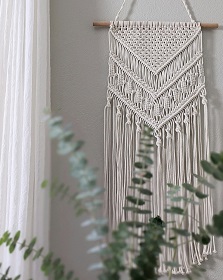
What is Macramé? Origins, Techniques, and Modern Uses
Macramé is an ancient textile art built from nothing more than cord, knotting, creativity, and the human hand. Today it appears in modern homes, weddings, galleries, and artisan markets — but its roots reach deeply into history. The meticulous knots that shape plant hangers, wall tapestries, and wearable accessories have traveled through cultures, centuries, and continents, carrying meaning, technique, and identity.
In this article, we explore where macramé comes from, how it was traditionally made, the knot systems that define it, and how it continues to evolve into a contemporary decorative art for the modern world.
Ancient Origins of Macramé
Although it is difficult to pinpoint an exact birthplace, most historians trace macramé back to ancient weaving cultures in Mesopotamia and Asia. Some of the earliest visual evidence appears in carvings and textiles where fringed fabrics show patterns of knotted threads — ornamental finishes created by tightening strands instead of cutting them.
From there, the craft spread and matured significantly within Arabic cultures, particularly during the 13th century. The very word macramé is often linked to the Arabic term “migramah”, which describes decorative fringes created by knotting cord. These ornamental knots decorated:
- robes
- curtains
- ceremonial garments
- and the borders of handwoven textiles
Origins of Macramé in Europe
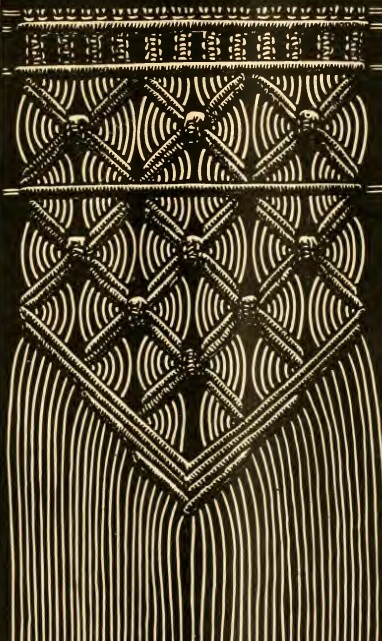
By the late Middle Ages, macramé arrived in Spain and then spread into France and Italy, where the technique became associated with lace-making and textile embellishment. During the Victorian era in England, it became especially popular as a domestic craft taught to women — appearing in curtains, shawls, trims, and decorative household objects.
Patterns were passed from hand to hand, typically handwritten or illustrated on paper. Knotting became both a technical skill and a symbol of artistic refinement.
Sailors and the Global Journey of Macramé
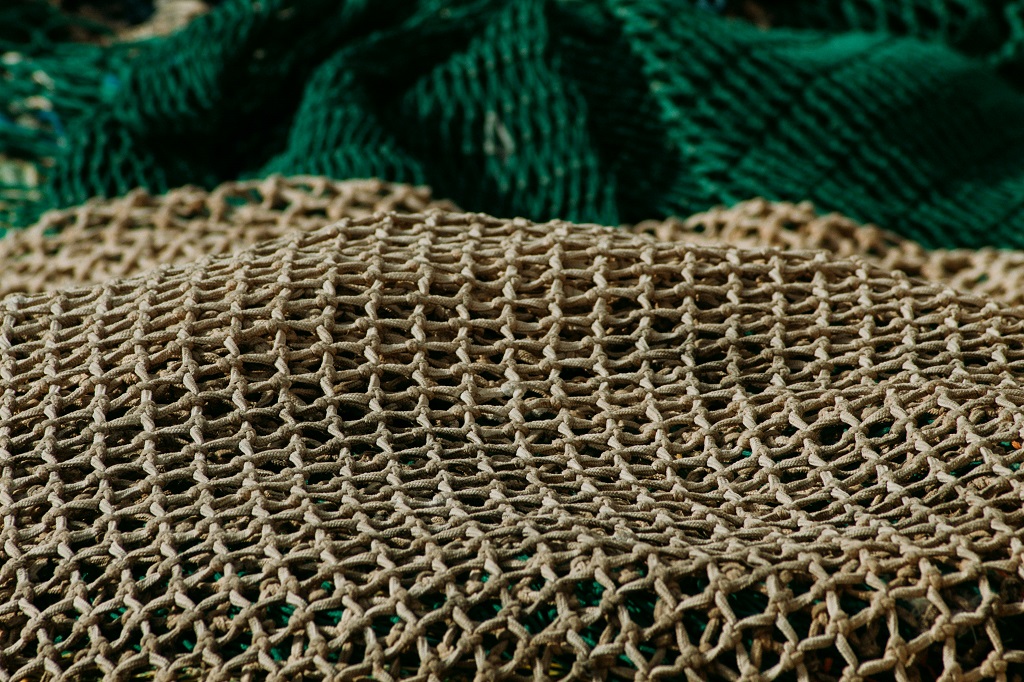
Sailors later played a crucial role in transmitting macramé across the oceans and into new cultures. Life at sea demanded strong, functional knots for survival — securing cargo, repairing sails, storing rope, and creating straps and nets. Over time, sailors perfected knotting techniques not only for practical use, but also for decorative expression during long voyages.
As they traveled from port to port, these seamen shared their knowledge with local artisans, merchants, and craftsmen. Macramé slowly moved beyond the decks of ships and into coastal communities, where it was adapted into household items, clothing details, and decorative fringes. Through this global maritime exchange, macramé spread from the Mediterranean to Africa, the Caribbean, and eventually to the Americas, evolving with every culture it touched.
Core Techniques and Knots
Macramé is unique among textile arts because it does not require weaving looms, needles, or machines. Instead, it is constructed knot by knot.
The most fundamental knots include:
◆ Square Knot
Used for flat panels and repeating geometric structures.
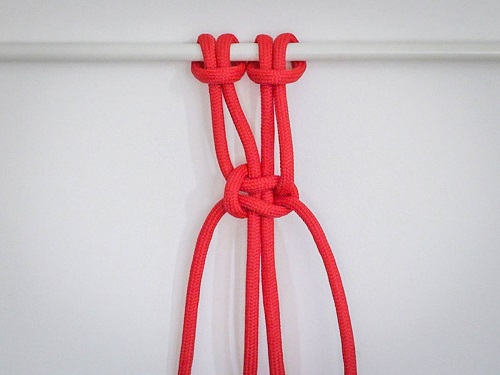
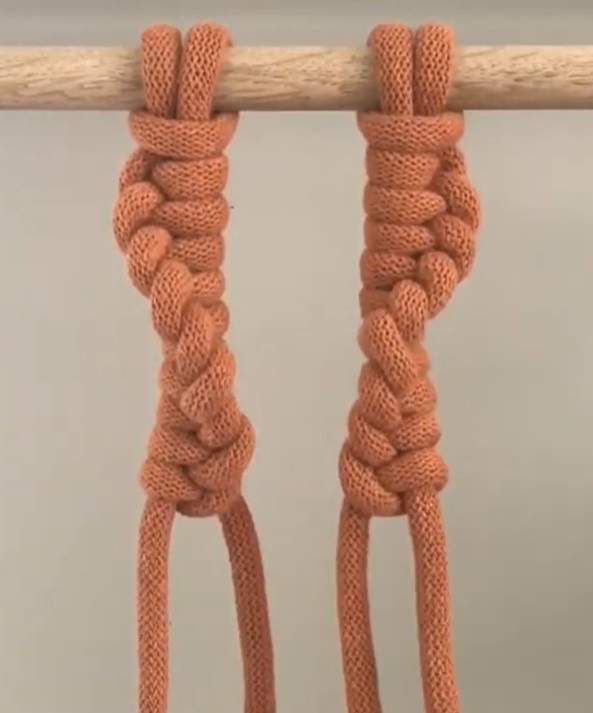
◆ Half Knot / Spiral Knot
Forms the elegant twist seen in many plant hangers.
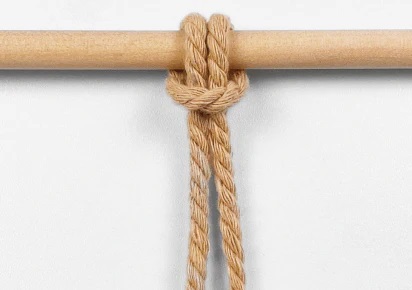
◆ Lark’s Head Knot
The starting point for attaching cords to a ring, bar, or dowel.
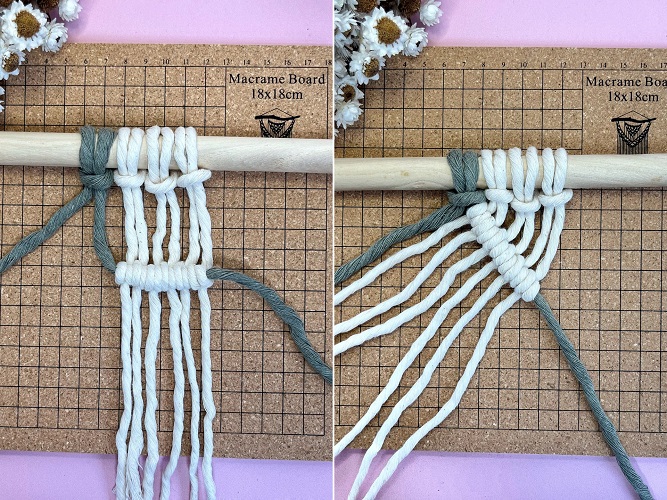
◆ Double Half Hitch
Allows curving lines, intricate patterns, and tight structures.
These knots, combined with repetition, symmetry, tension, and rhythm, create shapes, borders, figures, fringes, and sometimes recognizable forms such as animals, florals, or abstract sculptures.
And although the technique starts simply, mastery comes from design composition, cord choice, and perfect knot consistency.
Materials: From Natural Fibers to Modern Cord
Historically, macramé was made with:
- cotton
- linen
- silk
- wool
- and even horsehair
Today, artisans continue to favor cotton rope — valued for its softness, strength, and clean texture — along with wooden elements such as rings, beads, bars, and dowels that frame and accent the work.
The essence of the craft remains unchanged: natural material, shaped patiently by the hands that tie it.
Modern Macramé: A Contemporary Revival
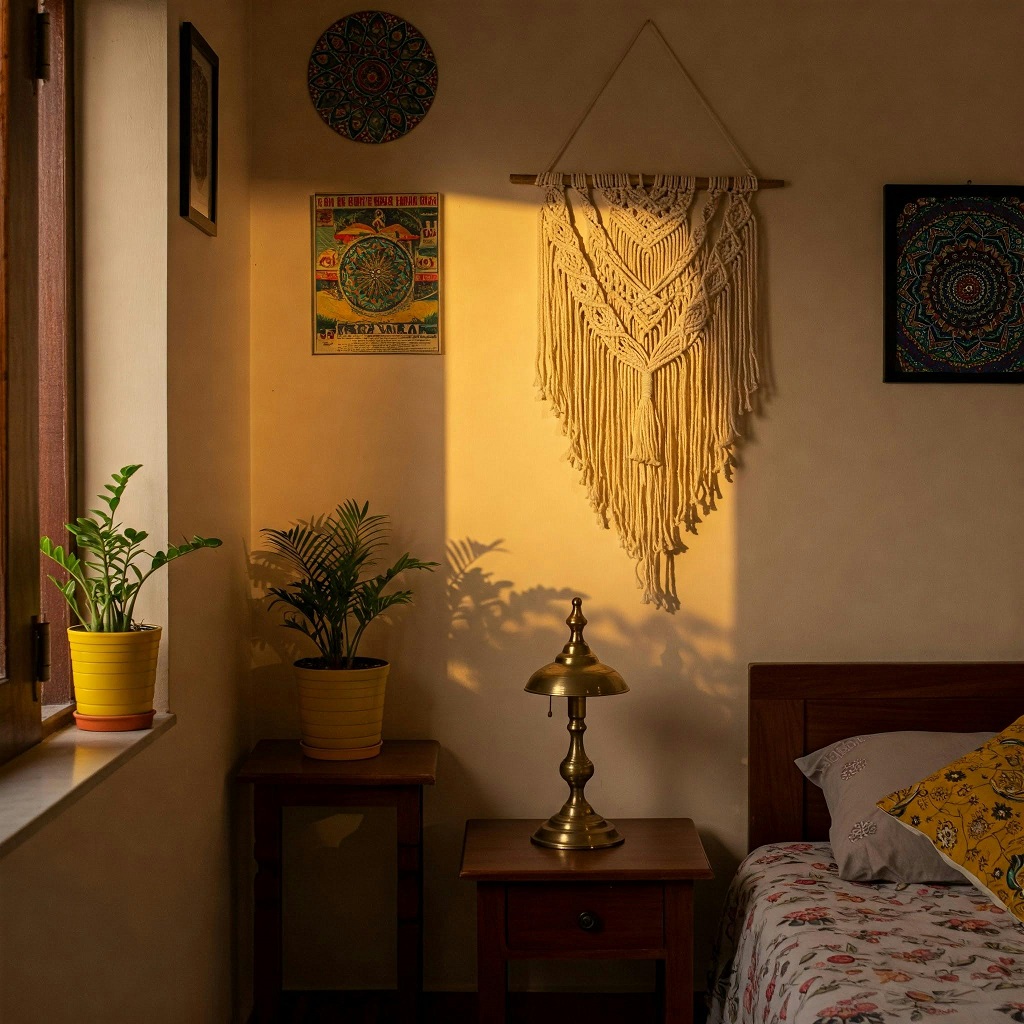
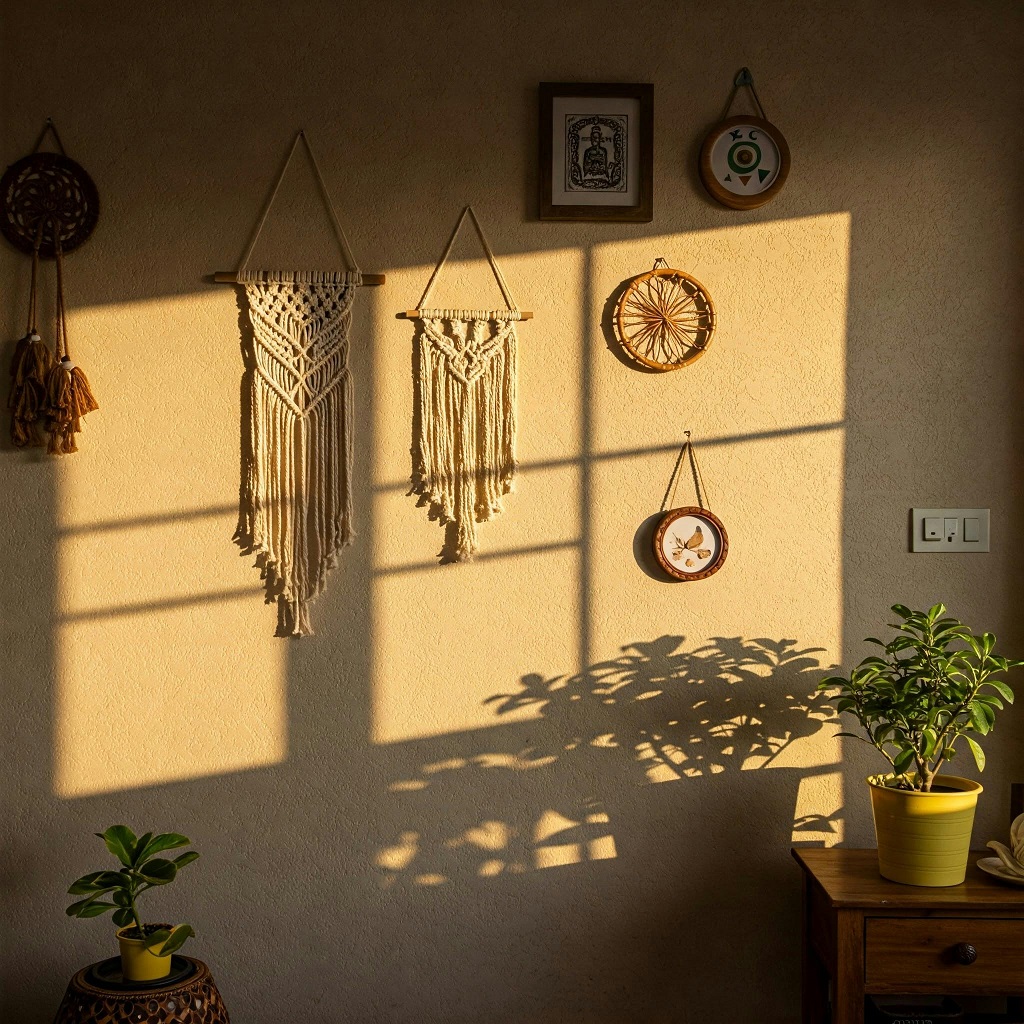
While macramé never fully disappeared, it has seen a powerful resurgence in the last decade. Modern artisans use it to bring organic warmth back into homes — decorating walls, framing windows, holding plants, or creating small artistic accessories.
Its popularity is rooted in the same qualities that defined it centuries ago:
- simplicity
- elegance
- human craftsmanship
- slow creation
- and a tactile connection with natural materials
As society moves toward handmade objects with authenticity and soul, macramé stands as a reminder of the value of artisan craft in a mass-produced world.
Where Macramé Lives Today
The modern uses of macramé include:
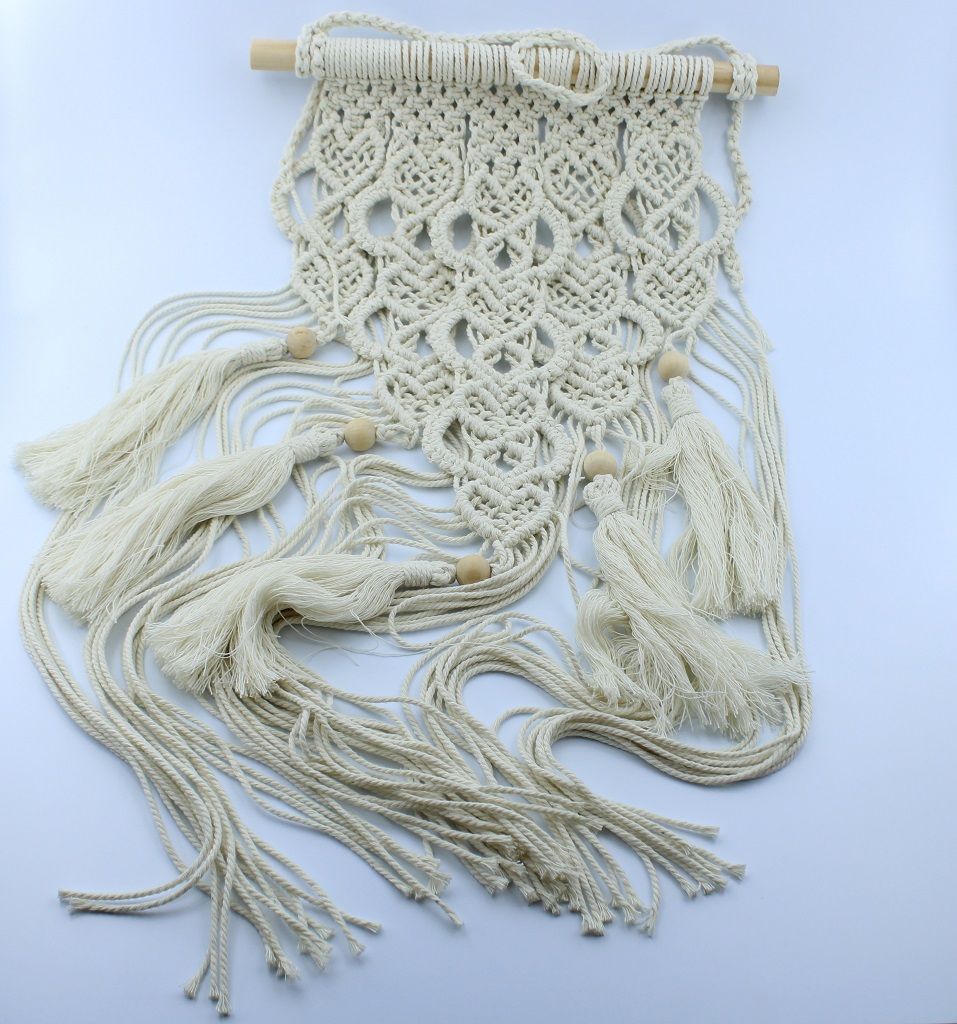
✔️ Interior decoration
Wall hangings, tapestries, and boho-style decor pieces add texture and softness.
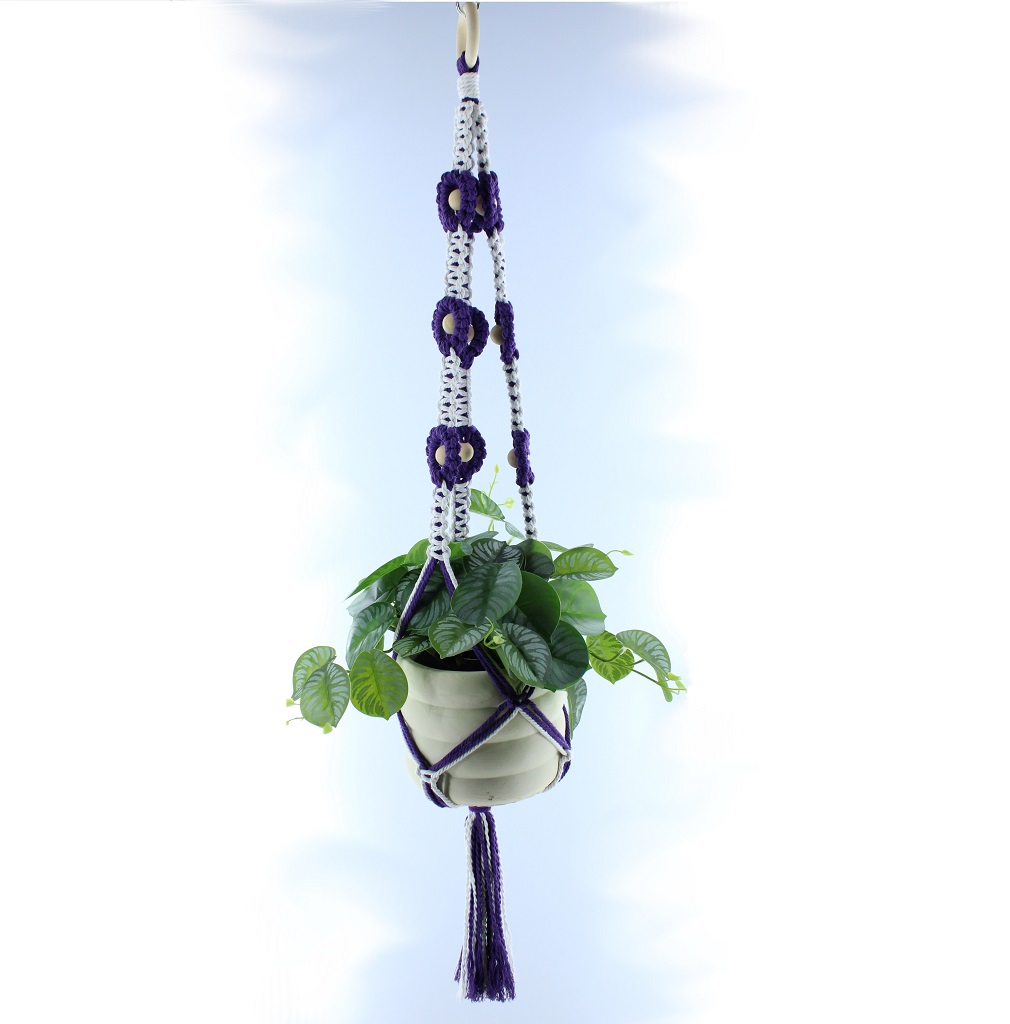
✔️ Plant hangers
One of the most iconic uses, combining aesthetics and functionality.
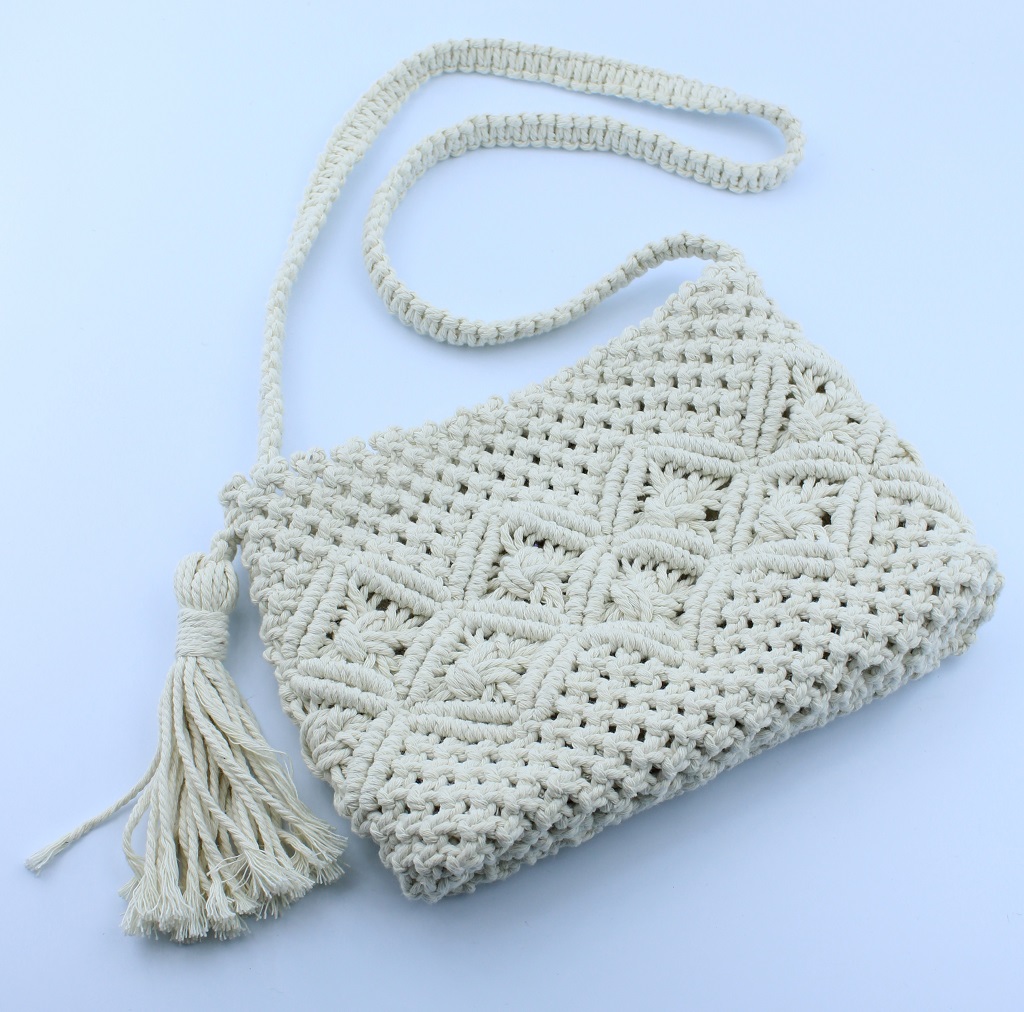
✔️ Fashion accessories
Handbags, straps, jewelry, belts, earrings.
✔️ Wedding & event decoration
Arches, banners, table runners, chair accents.
✔️ Seasonal or themed pieces
Owls, leaves, stars, and abstract designs.
✔️ Art collectables
Some creations today are considered textile sculpture.
And macramé blends beautifully with other materials — wood, ceramics, crystal, metal — letting each piece carry personality and depth.
Why Macramé Matters Today
In a fast world, handmade macramé has become a symbol of:
- patience
- intention
- craft excellence
- and the beauty of imperfection
Every knot tells a story.
Every piece holds the marks of its maker.
And every design continues a tradition that has traveled across cultures for more than a thousand years.
For artists, it is a language of creativity.
For makers, it is meditation.
And for homes, it is the warmth of something truly handcrafted.
Final Thoughts
Macramé is more than decorative rope work — it is a living heritage of global craftsmanship. From ancient textiles to Victorian lace, from sailor knots to interior design trends, it remains one of the simplest and most meaningful forms of human art.
As long as hands can tie fiber, macramé will continue evolving — one knot at a time.
✨✨ Looking for a meaningful handmade gift? Explore our macramé designs here. ✨✨